Compare free hand luggage allowances for Ryanair, Aer Lingus, Easyjet and more. Shop smart for the best Hand Luggage at great prices.
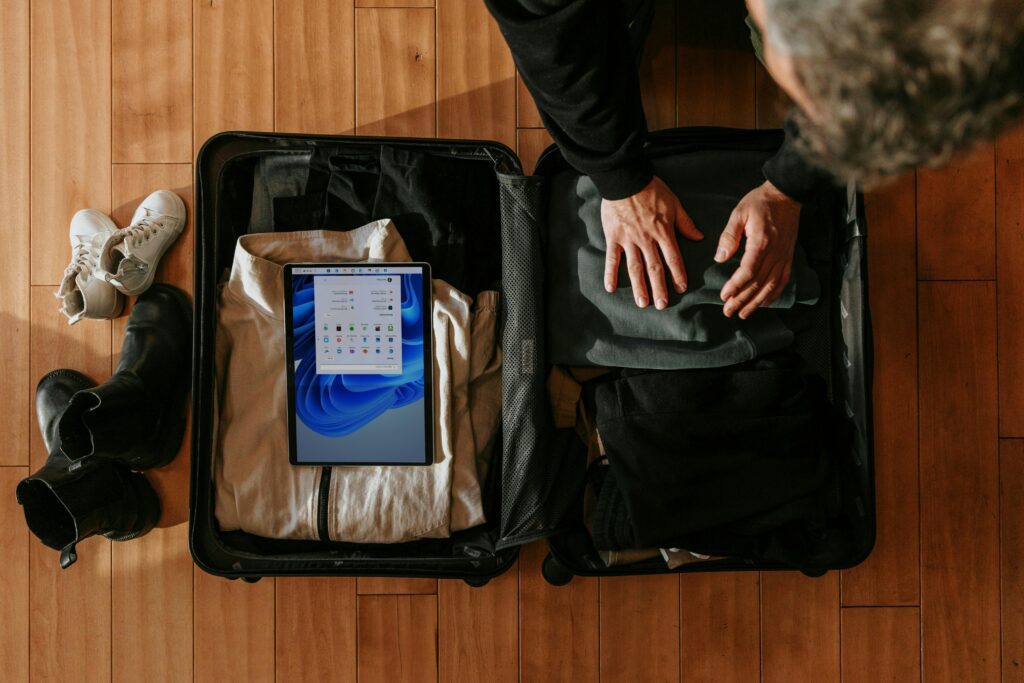
Hand Luggage Guide (2025/26): Free Carry-On Size, Materials, and Airline Rules
Hand luggage — sometimes called free cabin baggage — refers to the small item every passenger can bring onboard without paying an additional fee.
Differences between airline size limits, materials, and design standards remain significant, especially for Irish travellers using multiple carriers.
This guide explains the technical aspects, airline rules, and practical build quality factors behind true hand luggage that meets “free carry-on” requirements.
Main Features and Highlights
- Fits within airline-defined size and weight limits for free carry-on items.
- Constructed from lightweight yet abrasion-resistant fabrics such as ripstop nylon or 600D polyester.
- Engineered for compact storage under the seat or in overhead lockers.
- Often includes organised compartments for laptops, documents, and liquids.
- Water-resistant or coated exterior for travel in wet climates.
- Durable zippers, seams, and handles tested for extended use cycles.
Popular Hand Luggage Brands
Several long-established brands have refined the compact luggage category. Samsonite and American Tourister remain leaders in structured polycarbonate shells, while Eastpak and CabinZero specialise in lightweight soft-sided options preferred by frequent Ryanair and Aer Lingus passengers. Antler and IT Luggage produce reinforced polyester models with internal compression systems that maintain shape even under high loads.
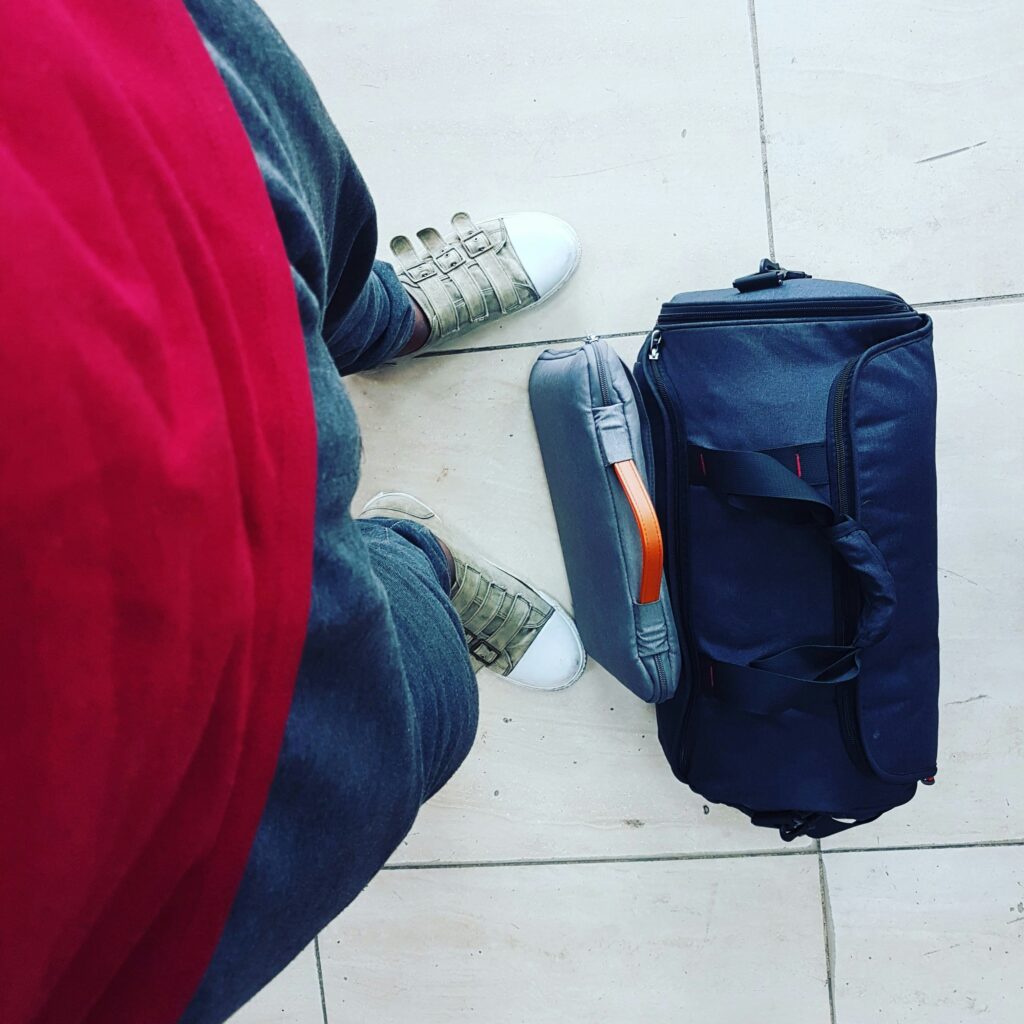
These manufacturers prioritise frame stability, internal volume efficiency, and precision alignment with standard European under-seat dimensions — typically 40×25×20 cm or slightly larger.
Ergonomics and Comfort Design
Comfort-focused design plays a major role in hand luggage performance, especially for short European connections. An ergonomically balanced bag reduces strain on wrists and shoulders during long terminal walks or train transfers.
Look for dual-tube telescopic handles with minimal flex, a low centre of gravity when fully packed, and 360° spinner wheels that roll smoothly on uneven airport floors. Adjustable straps with breathable padding can distribute load evenly across both shoulders for backpack-style models.
Reinforced grab handles improve liftability from luggage racks. For Irish travellers who frequently connect through London or Amsterdam, ergonomic efficiency translates directly into faster boarding and less fatigue.
Airline Size and Weight Comparison
| Airline | Maximum Size (cm) | Weight Limit | Under-Seat or Overhead |
|---|---|---|---|
| Ryanair | 40 × 25 × 20 | Not specified (must fit under seat) | Under-seat only |
| Wizz Air | 40 × 30 × 20 | 10 kg | Under-seat only |
| easyJet | 45 × 36 × 20 | No official weight limit | Under-seat only |
| Aer Lingus | 33 × 25 × 20 (personal item) | 7 kg | Under-seat or overhead (short-haul) |
| British Airways | 40 × 30 × 15 (personal item) | 23 kg combined allowance | Under-seat |
| KLM | 40 × 30 × 15 | 12 kg (combined) | Under-seat or overhead |
Dimensions and limits are typical 2025 references but always confirm before travel, as airlines occasionally revise cabin policies or aircraft type allocations.
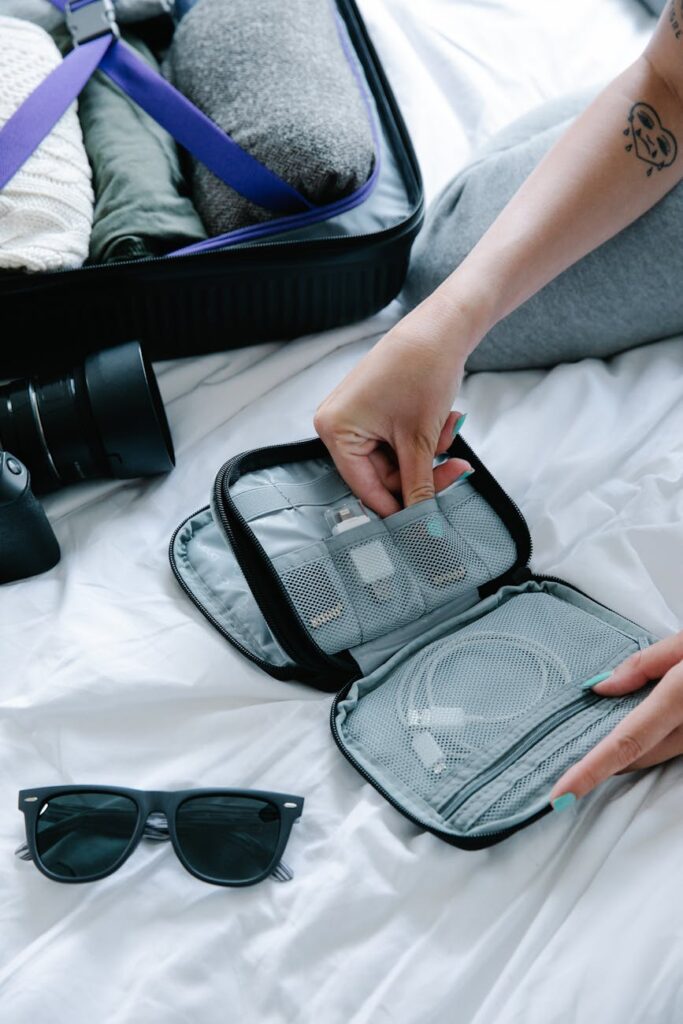
Technical Build and Materials
Most hand luggage uses layered synthetic fabrics that balance abrasion resistance with weight efficiency. Ripstop nylon (often 420D or 600D) offers tear resistance through reinforced cross-weaving, while polyester oxford provides stiffness for structured shapes. Frames may include polycarbonate sheets or fibreglass rods to maintain contour without bulk.
Water resistance comes from polyurethane (PU) or thermoplastic elastomer (TPE) coatings, applied internally. Fully waterproof zippers add sealing but can increase friction, so many brands compromise with laminated weather flaps. Re-stitchable seams and replaceable wheel modules improve long-term serviceability.
Testing and Certification Standards
High-quality hand luggage is often tested under European (EN) and international (ISO) standards to ensure strength and material reliability. These tests measure handle tension, wheel abrasion, seam burst resistance, and coating adhesion after repeated exposure cycles.
- EN 12195-2: simulates strap and seam tension under load.
- ISO 11334-1: tests telescopic handle durability through 5,000 pull cycles.
- EASA Cabin Size Guidelines: confirm dimensional compliance for in-cabin stowage.
Reputable brands submit materials to these standards to verify compliance with EU transport safety norms. Buyers can consult manufacturer documentation or quality certification data before purchase.
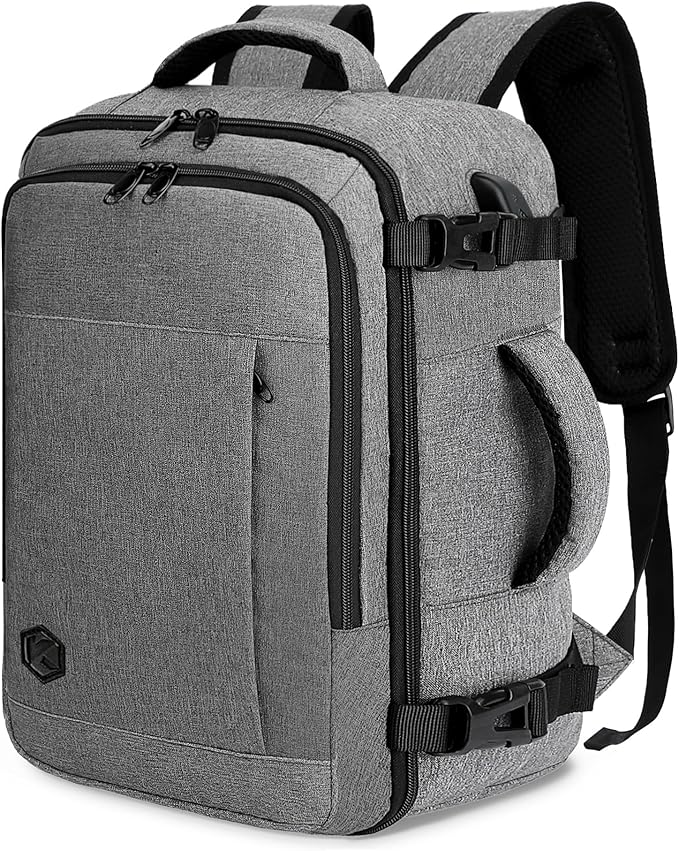
Smart Features and Emerging Tech
Recent hand luggage designs incorporate technology that improves convenience without adding excess bulk. Integrated USB pass-through ports, RFID-shielded pockets, and removable power bank sleeves allow travellers to stay connected safely within airline limits.
The European Union Aviation Safety Agency (EASA) advises removing lithium batteries before gate check-in, even for smart bags. Irish passengers on short-haul routes benefit most from such features, as power access is limited in regional airports and low-cost carriers.
Compact digital luggage scales, integrated tracking chips, and anti-tamper lock systems are becoming standard — proof that even free cabin-sized luggage can integrate advanced engineering.
Weather Resistance for Irish Travellers
Given Ireland’s unpredictable weather, water-resistant materials are more than a luxury — they’re a necessity. A good hand luggage piece uses PU-coated polyester or ballistic nylon with sealed zippers to prevent seepage during rain exposure on the tarmac or transit to the terminal.
A quick “beading test” is an easy quality check: sprinkle a few drops of water onto the fabric — droplets should remain on the surface rather than soaking in. After travel, air-dry the bag in a ventilated space and avoid direct heat, which can damage polymer coatings over time.
These small maintenance habits extend lifespan and keep Irish travellers’ electronics and documents protected in damp conditions.
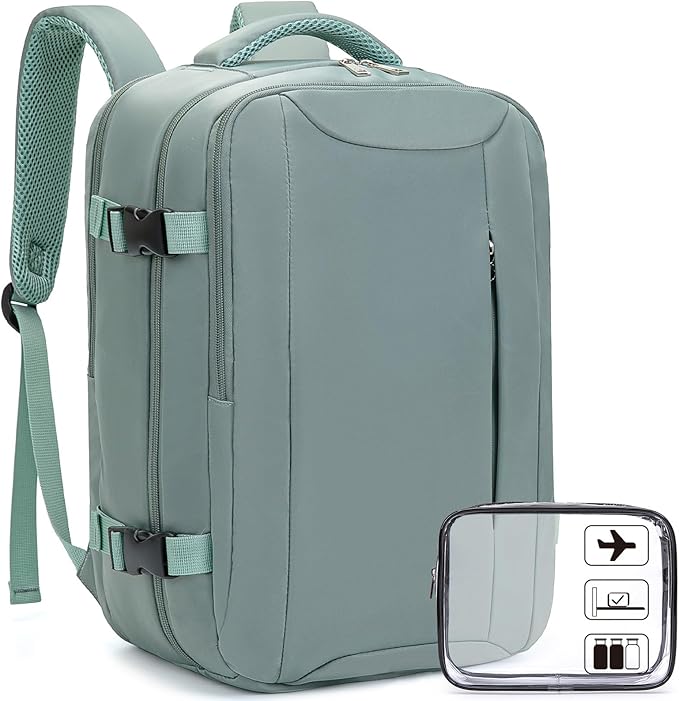
Tips for Irish Customers
Irish consumers often face travel routes combining wet outdoor conditions and tight airline restrictions. A fabric’s ability to resist moisture, combined with quick-drying linings, makes all the difference for those transferring between buses, ferries, and regional airports.
Durable, replaceable components — such as YKK zippers and wheeled base plates — are particularly useful for travellers who fly several times per year.
For local retail availability, major luggage brands are accessible through nationwide stockists and online marketplaces with EU-compliant returns. Always verify compliance with both airline and Irish passenger rights regulations before purchase.
Maintenance and Longevity
Proper care ensures that hand luggage maintains its water resistance and mechanical integrity. Zippers benefit from a thin coat of silicone-based lubricant every few months, preventing salt corrosion and sticking. Nylon shells can be hand-washed in cold water using mild detergent — never hot cycles, which degrade DWR coatings.
Inspect seams and wheels before each trip, especially if the bag has been used on rough airport flooring. A short wipe with a damp cloth and air-drying overnight prevents mildew growth — a key concern in Ireland’s humid climate. Store bags upright in a cool, dry area with silica gel packets to control moisture.
Sustainability and Material Innovation
Eco-friendly manufacturing is shaping the next generation of hand luggage. Many modern collections now use recycled PET polyester (rPET), plant-based TPU coatings, and aluminium hardware designed for easy recycling. These materials comply with REACH regulations that limit harmful substances in consumer products.
Buyers should look for the Global Recycled Standard (GRS) certification or similar indicators of transparent sourcing. Recycled fabrics may have slightly lower abrasion resistance, so manufacturers often reinforce them with laminated backings to maintain strength.
For Irish consumers increasingly conscious of sustainability, choosing repairable, GRS-certified hand luggage reduces waste without compromising performance.
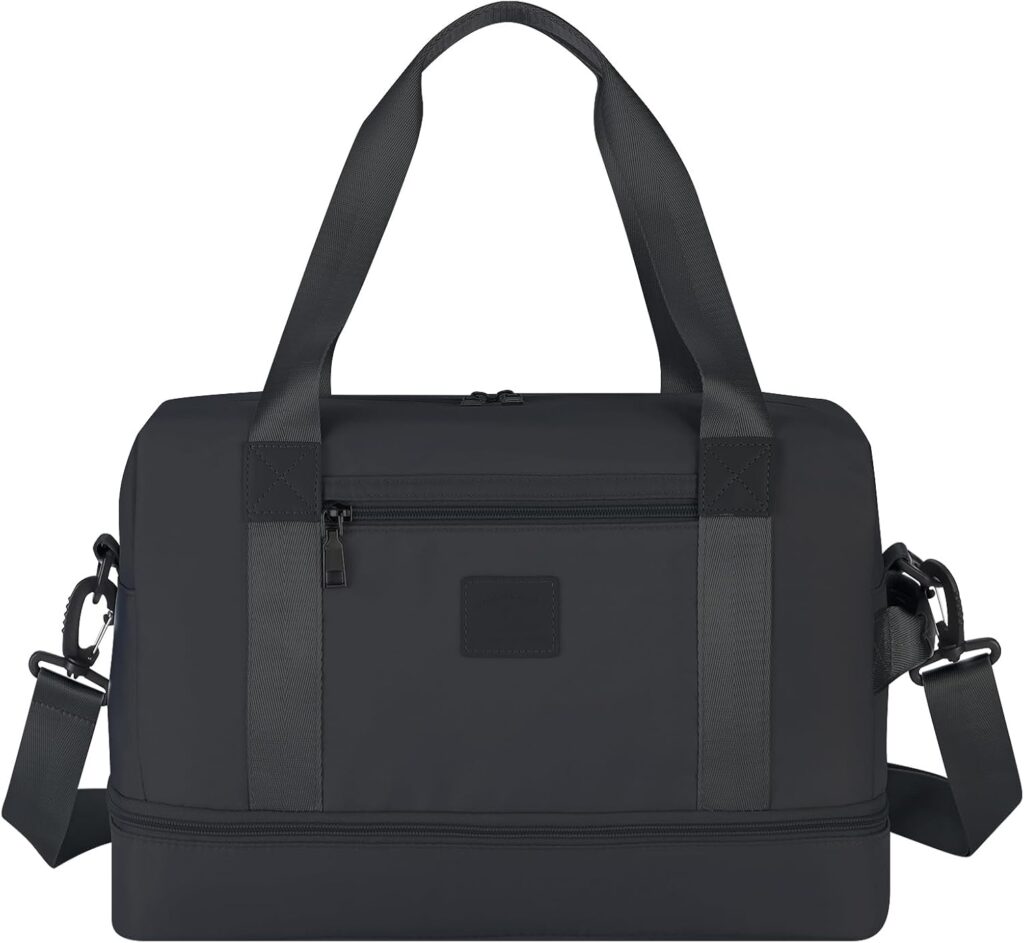
Real-World Airline Handling Insights
While all airlines outline precise hand luggage dimensions, enforcement varies by route and gate agent. Frequent Irish flyers know that flexible fabric bags fare better in sizing frames than rigid models, especially on busy budget flights.
- Use compression straps to reduce external bulk before boarding.
- Distribute heavier items near the wheel base or bottom panel for balance.
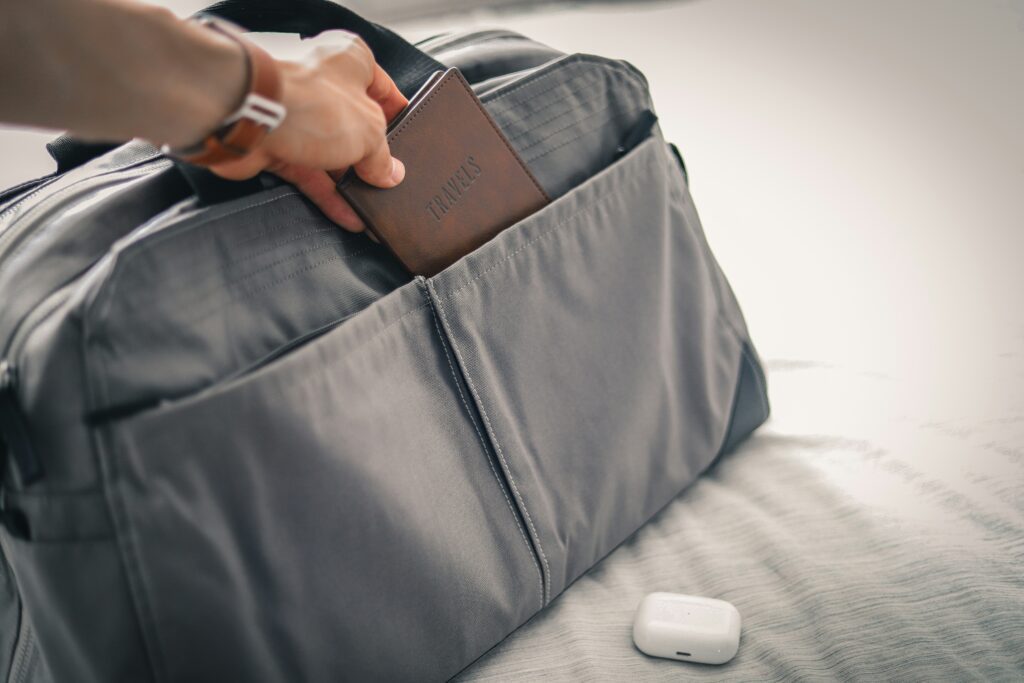
- Place quick-access items (passport, liquids bag) in the outer pocket to avoid opening the main compartment during checks.
Gate staff often apply stricter measurement at high-traffic hubs such as Dublin and Stansted, so minor flexibility in the shell can prevent forced check-in fees.
Frequently Asked Questions
1. What qualifies as free hand luggage?
Free hand luggage refers to one small item that fits under the seat in front of you, typically under 40×25×20 cm. Anything larger may incur cabin bag fees.
2. What is the typical weight limit?
Low-cost airlines rarely specify a weight limit but require passengers to lift it unaided. Flag carriers such as KLM or Aer Lingus may impose 7–10 kg caps.
3. What’s the difference between water-resistant and waterproof fabrics?
Water-resistant coatings repel light rain; waterproof fabrics have sealed seams and zippers capable of withstanding full water exposure for several minutes.
4. Are USB-charging hand luggage models allowed on flights?
Yes, provided any lithium power banks are removable and comply with EASA and airline battery regulations.
5. How can I test a bag’s build quality before purchase?
Check stitching density (minimum 8 stitches per inch), zipper alignment, and handle rigidity. Slight twisting under moderate force is normal; excessive flex indicates poor reinforcement.
6. Does fabric colour affect durability?
Darker colours conceal stains and UV fading better, but material thickness (denier rating) and coating quality are more important to longevity.
7. What’s the best way to clean a wet or muddy bag?
Rinse with clean water, wipe with a damp cloth, and air-dry away from direct heat. Avoid detergents with bleach that can damage coatings.
8. Are expandable zippers safe for free cabin luggage?
Expandable sections add flexibility but risk exceeding airline dimensions. Use them only when travelling with airlines that permit larger personal items.
9. How long should a good hand luggage bag last?
With proper care, high-quality soft-sided luggage should last 5–10 years; hard-shell polycarbonate versions can exceed that with minimal mechanical stress.